
Decision Models: Making Decisions Instead of Generating Text
Jev is a decision model: it turns a scorecard’s bounded questions into the model’s native output, making high-volume QA faster, cheaper, and easier to operate.

Who actually swapped off premium models
Useful capability got cheaper. Here are named orgs that moved production traffic, what they swapped or routed to, and one checkable number each.

Bugonomics: The Flip Side of Cheap Coding
When breaking software gets as cheap as writing it, cheaper offense means more offense. The same price-performance curve that turned a $200 coding habit into a $20 one is turning million-dollar exploit chains into something approaching commodity.

The Content Paradox: Why Making AI Writing Easier Makes the Internet Worse
When you make content creation 100x cheaper, you don't get 100x better information—you get 100x more noise. The economic logic of Jevons Paradox explains why AI is drowning the internet in synthetic mediocrity.

Never Use Fast
Premium Fast mode is a latency product, and agent work is almost never latency-bound. Do not confuse the expensive priority lane with the cheaper Flash-style models that made fast synonymous with efficient.
Maximize Value, Not Intelligence
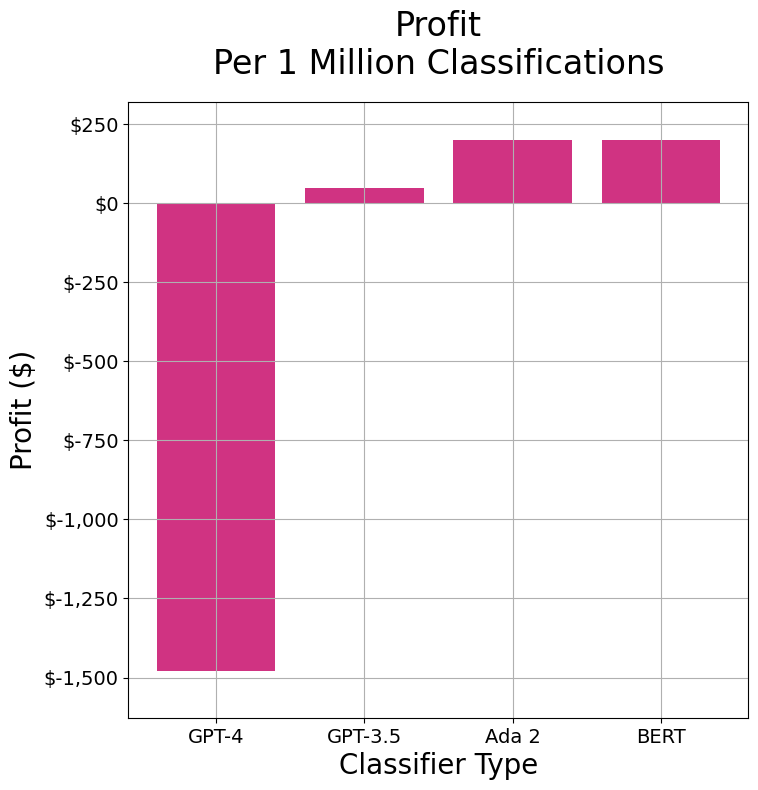
In 2023, we argued for using the dumbest model the problem will bear. That rule still works, but choosing one model isn't enough anymore. Route each job to the cheapest model that clears the bar, then measure the cost of work you actually accept.
The Year Coding Became a Commodity
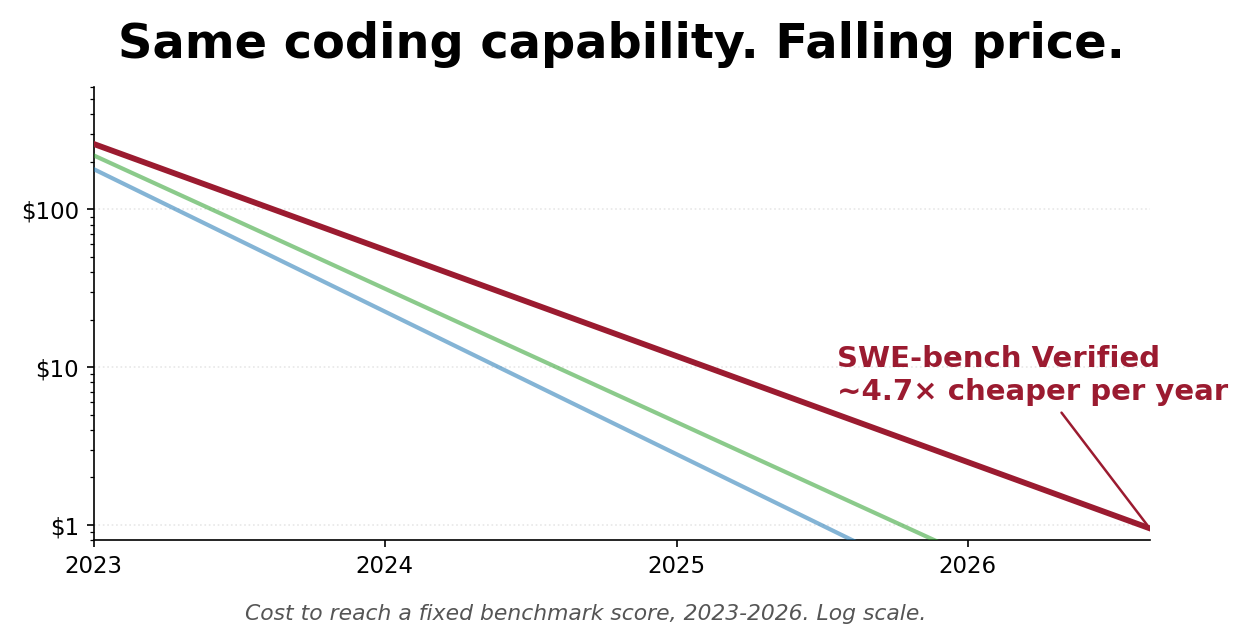
Coding agents didn't just get better. Useful coding capability got dramatically cheaper at the same time agents learned to work for longer. Those two curves multiply, changing both what small teams can attempt and where human judgment matters most.