- Reviewer says no
- Rule
- Passed by rule
A reviewer says no once, and we write down why. After that, the rule handles the same case without them.
Primus Is a Classifier Lab: Operationalizing Classifiers at Scale
A hosted decision model sat at 77 percent accuracy through 87 rounds of reviewer feedback, then one approved question took it to 87. Here is the loop that did it, every figure published, and the offer to run it on your judgment task.
DataParade
DataParade is a privacy and security product built on a semantic knowledge graph, with a custom ontology and taxonomy that ties into the OCSF standard. Anthus is working with DataParade to develop it. It belongs to the new class of tooling that lets people see what AI agents are doing across a project once they've stepped back from writing the code themselves. • Semantic knowledge graph as the system of record for what happened, to what, and by whom • Custom ontology and taxonomy mapped to the Open Cybersecurity Schema Framework • Built for the operator who has delegated the work and still has to answer for it Visit dataparade.io.
B0rd
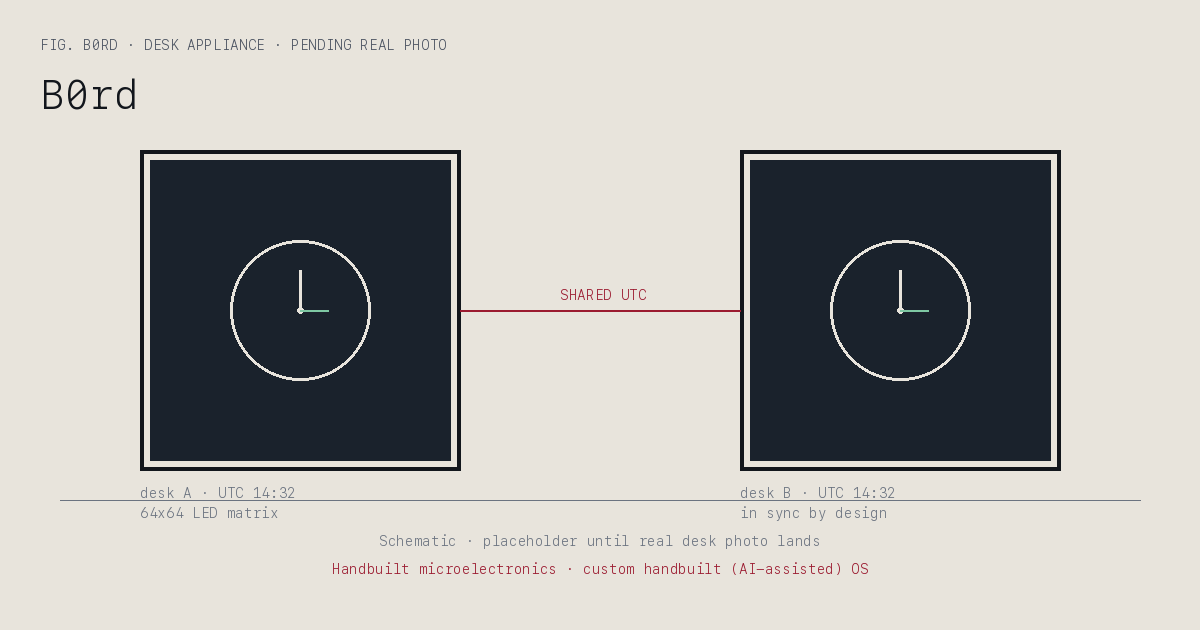
B0rd is a standalone LED-matrix desk display built by Anthus Microelectronics, a spinoff venture rooted in Anthus's ubiquitous use of AI agents and the constant all-day need to monitor their progress and steer them. It puts glanceable information — launch countdowns, agent status, notifications, an idle clock — on the wall or desk without a screen you have to sit in front of. • Handbuilt microelectronics with a custom handbuilt (AI-assisted) OS • Standalone appliance: setup over Wi‑Fi, no app store, no phone required • Glanceable cues for long-running agent sessions — walk away from the desk and still know • In sync by design: matching units stay in step with no pairing or hub Visit b0rd.info or the Etsy shop.
Speaker Role Classifier
A real-world example of how the agentic programming paradigm enables rapid solution development. We faced a problem where ambiguity in speaker role names could have made a traditional programmatic solution complex and time-consuming. By giving an AI agent the right tools, we delivered a working solution quickly and moved on—demonstrating how agent-based programming enables much greater agility and speed. View the project on GitHub.
SQLBot: Your AI Database Analyst
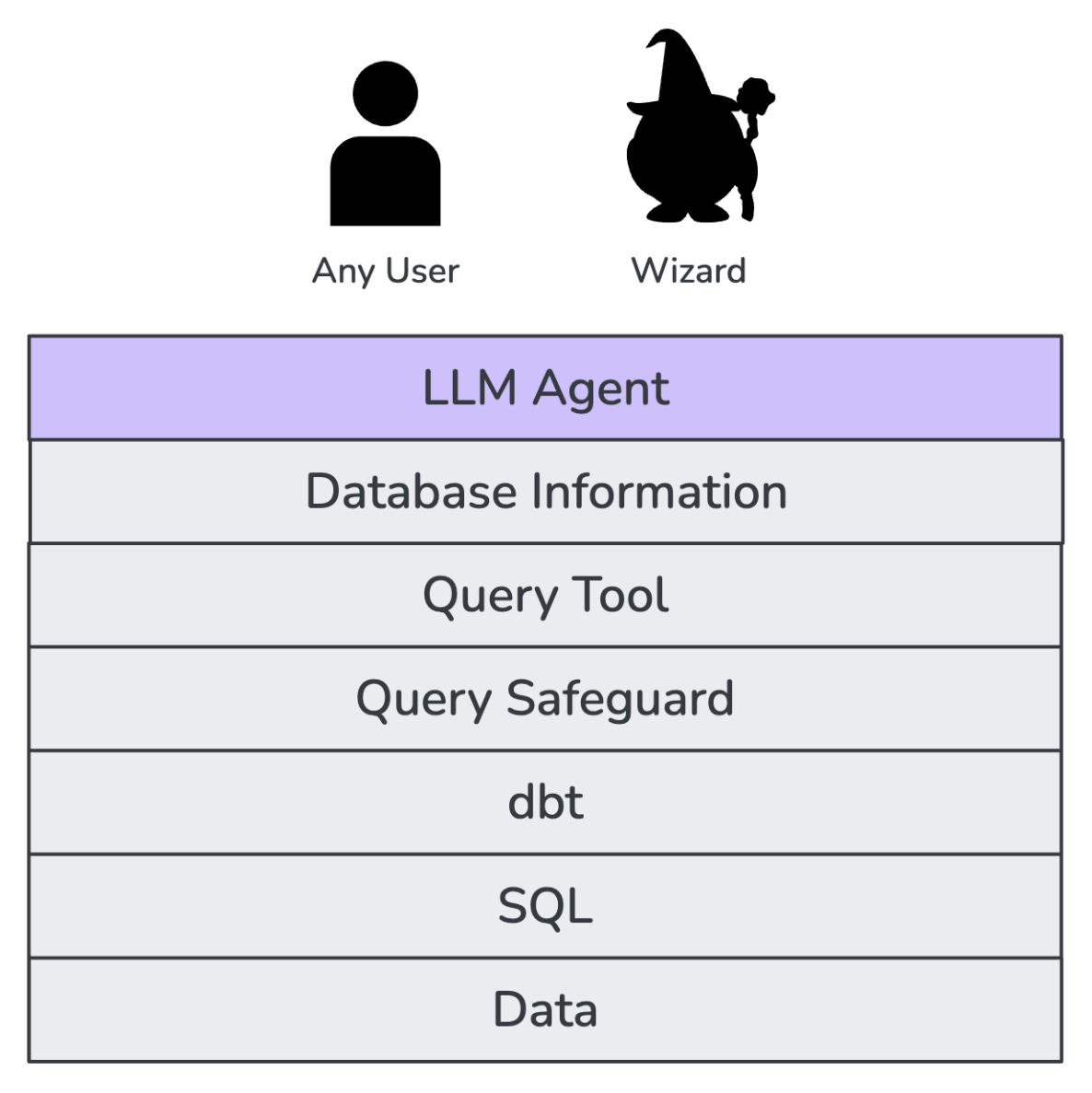
SQLBot is a new kind of interface for your database. Instead of writing SQL queries yourself, you delegate high-level analytical tasks to an AI agent. It reasons through your request, executing a chain of queries and analyzing the results until it arrives at a complete answer—all while keeping your data safe with built-in safeguards. View the project on GitHub.

Give an Agent a Tool
A demonstration of a fundamental paradigm shift in computer programming: from writing explicit code for every scenario to giving intelligent agents the right tools and letting them figure it out. This project shows how the same task that requires hundreds of lines of complex branching logic in traditional programming becomes simple and flexible with agentic AI. Through a real-world example of extracting contacts from varied CSV formats, we compare traditional approaches against agent-based data processing that handles unexpected formats without code changes, demonstrating the 'give an agent a tool' paradigm in action. View the project on GitHub.
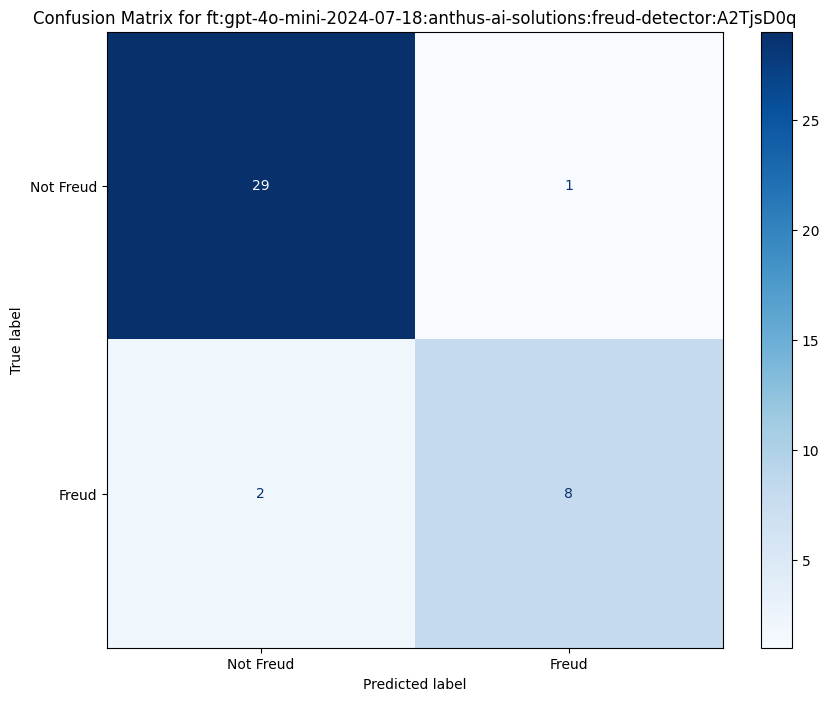
Classification with Confidence
A practical exploration of LLM fine-tuning for text classification. By fine-tuning GPT-4o-mini, we significantly improved classification accuracy and alignment to specific business requirements. The project demonstrates a production-ready approach to model alignment with confidence scoring that determines when human review is needed—a practical application of human-in-the-loop principles that balances automation with expert oversight. View the project on GitHub.
- Pass
- Miss
Each call is one document and gets one scored row. We have scored calls this way across hundreds of scorecards and millions of calls.
Call Criteria
Call Criteria scored call-center QA with custom fine-tuned LLM classifiers run by an outside service. It worked, but the vendor was too expensive and too slow to scale to every new scorecard, and they wanted control. We built them an in-house classifier lab on Primus in their own AWS account and operated it for years: hundreds of scorecards, millions of calls, the cheapest model that clears each bar, and reviewers whose corrections became policy.